
Workplace accidents are not just a logistical headache; they are a human tragedy and a significant financial burden. Every slip, trip, or impact injury represents a disruption to a life and a halt in productivity. While training and protocols are vital, the foundation of worker safety often lies quite literally at their feet. Investing in quality safety shoes is one of the most effective, proactive measures a business can take to protect its workforce and ensure operational continuity.
At Starlet Innovations, we believe that safety is an investment, not an expense. By understanding the critical role of specialized footwear, industrial leaders can foster a culture of care that meets ISO certifications and global safety standards.
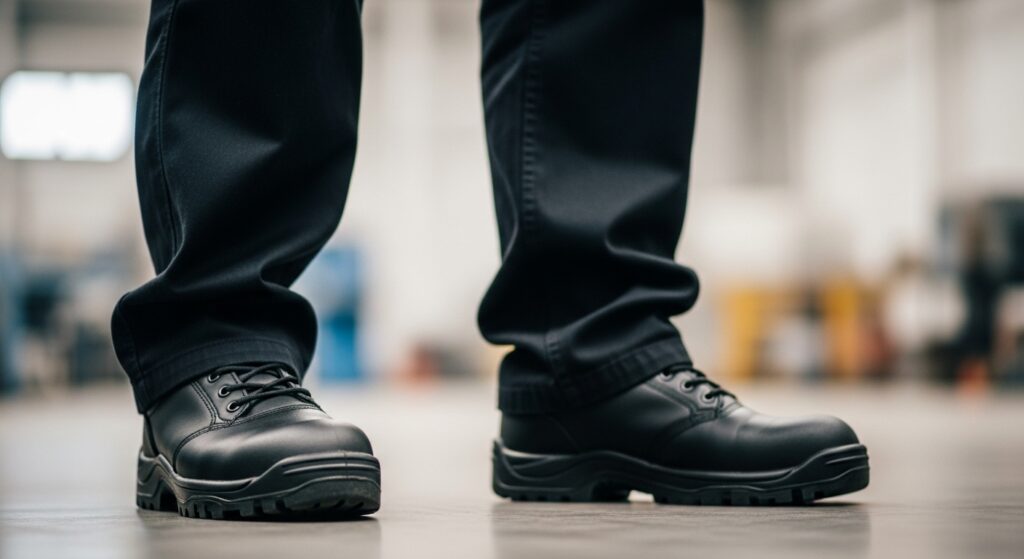
The High Cost of Cutting Corners
It is tempting to look at the budget line for personal protective equipment (PPE) and seek the lowest bidder. However, the initial savings on substandard footwear evaporate the moment an accident occurs.
According to the International Labour Organization (ILO), millions of work-related accidents occur annually, many of which are preventable. In industrial settings like manufacturing plants and oil rigs, foot injuries are common. These range from crushed toes caused by falling objects to sprains and fractures from slips and falls.
When a worker is injured, the costs ripple outward:
- Direct Costs: Medical expenses and compensation payments.
- Indirect Costs: Downtime, hiring temporary replacements, training new staff, and potential legal fees.
- Reputational Damage: A high injury rate can damage your standing with clients and regulators.
High-quality safety shoes act as the first line of defense against these risks. They are engineered—not just made—to withstand specific hazards found in rigorous environments.
Key Features That Prevent Injuries
Not all boots are created equal. To truly reduce injuries, safety footwear must possess specific, certified features tailored to the environment.
1. Slip Resistance
Slips, trips, and falls are among the leading causes of workplace injuries globally. In environments where oil, water, or chemical spills are inevitable, standard treads fail. Quality safety shoes feature slip-resistant outsoles designed with specialized tread patterns and materials that grip slippery surfaces effectively. This stability allows workers to move with confidence, drastically reducing the likelihood of falls.
2. Impact and Compression Protection
In heavy industries, the risk of heavy objects falling or rolling onto a worker’s foot is constant. Protective toecaps are essential. Whether made from steel, composite, or alloy, these reinforced caps are tested to withstand significant impact and compression forces. This protection can mean the difference between a bruised boot and a crushed foot, keeping your workforce mobile and safe.
3. Puncture Resistance
Construction sites and factories are often littered with sharp objects like nails, glass, or scrap metal. Quality safety footwear includes puncture-resistant midsoles. These impenetrable layers prevent sharp objects from piercing the sole and injuring the foot, providing peace of mind in unpredictable environments.
4. Electrical Hazard Protection
For electricians and utility workers, the ground itself can be a danger. Specialized safety shoes offer electrical hazard (EH) protection. These shoes are constructed with non-conductive materials that impede the flow of electricity, offering a secondary source of protection against electric shock.
Durability Meets Comfort: The Productivity Link
There is a misconception that safe means uncomfortable. In the past, “heavy-duty” often meant heavy and rigid. Today, manufacturing technologies have evolved.
At Starlet Innovations, we utilize direct sole production and modern materials to create shoes that are unmatched in durability but also designed for long shifts. Why does this matter for safety?
Fatigue leads to accidents.
When a worker is in pain or exhausted from dragging heavy boots around for 12 hours, their focus wavers. They become less attentive to their surroundings and more prone to mistakes.
- Ergonomic Design: Quality shoes support the natural arch of the foot and cushion the impact of walking on hard concrete floors.
- Breathability: Proper ventilation prevents overheating and discomfort, keeping the worker focused on the task at hand.
By reducing physical fatigue, you indirectly reduce the error rate in your operations. Comfortable workers are safer workers.
Industry-Specific Needs
Different sectors face unique threats, and a “one size fits all” approach rarely works for safety.
Construction and Infrastructure
Here, the terrain is uneven and hazards come from all directions. Footwear must provide ankle support to prevent twists on rubble, puncture resistance against nails, and waterproof materials for outdoor elements. Rugged durability is non-negotiable.
Manufacturing and Warehousing
In these controlled but busy environments, the primary risks are prolonged standing, heavy machinery, and smooth concrete floors that can become slick. Lightweight shoes with anti-fatigue soles and superior slip resistance are critical here to maintain high throughput without injury.
Oil and Gas
This is one of the most challenging environments on earth. Workers need boots that resist corrosive chemicals, provide traction on oil-slicked metal grates, and offer thermal insulation. Our rugged, slip-resistant designs are specifically tested for these harsh realities.
The Role of Sustainability in Safety
As we move toward a greener future, the materials we stand on matter as much as the protection they offer. Investing in quality also means investing in sustainability. Cheap, disposable footwear contributes to landfill waste and requires frequent replacement.
Starlet Innovations champions a circular economy approach. By using eco-friendly materials and manufacturing processes that reduce our carbon footprint, we ensure that your safety gear protects both your workers and the planet. High-durability shoes last longer, meaning fewer pairs are discarded annually. This aligns your safety protocols with your corporate social responsibility (CSR) goals.
Ensuring Compliance and Quality
Procurement managers must look for the badge of quality: ISO certification.
Certifications like ISO 9001 (Quality Management), ISO 14001 (Environmental Management), and ISO 45001 (Occupational Health and Safety) are not just stickers on a box. They are assurances that the manufacturing process is rigorous, consistent, and monitored.
When you buy bulk safety footwear from a certified manufacturer like Starlet Innovations, you are guaranteed that every pair meets the same high standard. You eliminate the variance that leads to equipment failure. Our monthly capacity of 60,000 units ensures that even the largest industrial expansion projects are supplied with consistent, high-grade gear.
Conclusion
The equation is simple: high-quality safety shoes equal fewer injuries. Fewer injuries mean a more robust, efficient, and profitable operation.
When you choose to equip your team with superior safety footwear, you are sending a clear message that you value their well-being. You are building a workplace where safety is integrated into every step.
Don’t wait for an accident to upgrade your safety standards. Review your current PPE inventory today. Are your workers protected by the best?
Contact Starlet Innovations to discuss how our customizable, ISO-certified safety solutions can support your workforce and secure your operations.